


Description
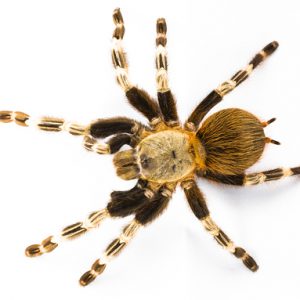
tiger rump tarantula
Buy Polychromatic Earth Tiger Tarantula | Exotic Tarantulas for Sale at Wild Exotics USA“
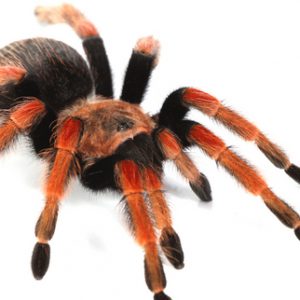
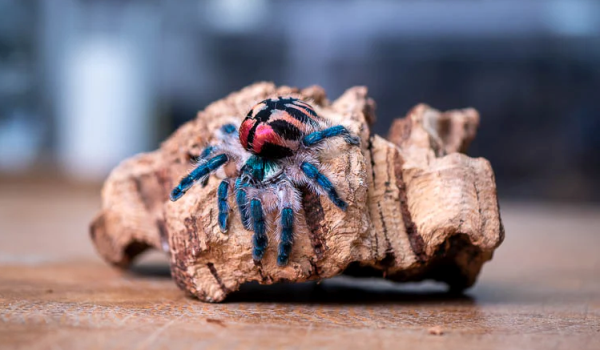
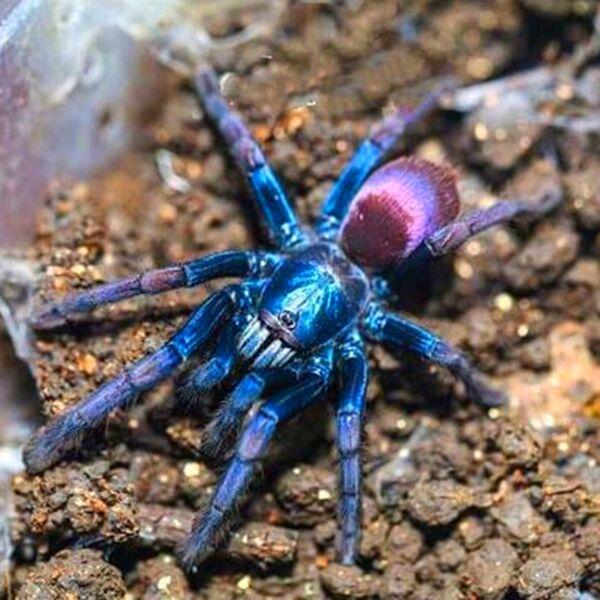
Welcome to Wild Exotics USA, your premier destination for acquiring the stunning Polychromatic Earth Tiger Tarantula. Known for their dazzling array of colors and captivating appearance, these tarantulas are a prized addition to any enthusiast’s collection of exotic spiders.
The Polychromatic Earth Tiger Tarantulas available at Wild Exotics USA are meticulously selected to showcase their diverse color patterns and unique characteristics. Each tarantula embodies a sense of vibrancy and charm, captivating collectors with their beauty and allure.
Creating a suitable habitat for your Polychromatic Earth Tiger Tarantula is essential for their well-being. Provide a spacious terrarium with appropriate substrate, hiding spots, and climbing structures to cater to their natural behaviors and ensure they feel comfortable in their environment.
Observing the captivating behaviors of Polychromatic Earth Tiger Tarantulas is a rewarding experience that allows you to appreciate their grace and agility up close. Spend time observing their movements, feeding habits, and web-building skills to deepen your connection with these enchanting arachnids.
Explore our exclusive collection of Polychromatic Earth Tiger Tarantulas for sale online at Wild Exotics USA and enrich your spider collection with these vibrant creatures. Immerse yourself in the world of exotic spiders and marvel at the beauty and diversity of these captivating tarantulas.
The Polychromatic Earth Tiger Tarantula, scientifically known as Haplopelma hainanum, possesses intriguing feeding habits that showcase their predatory nature as skilled hunters. Here is some information on the feeding habits of these captivating tarantulas:
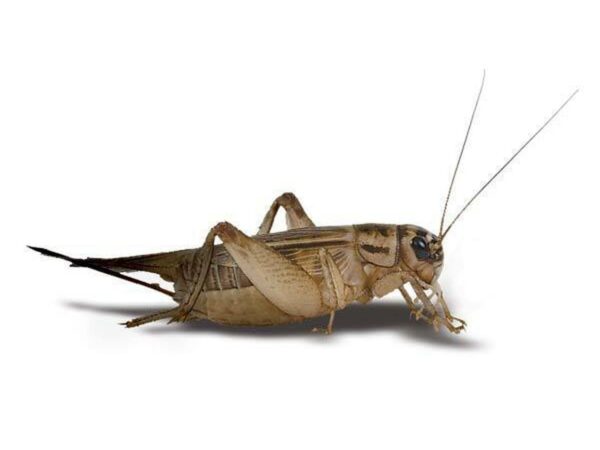
- Diet: Polychromatic Earth Tiger Tarantulas are carnivorous creatures that primarily feed on live insects such as crickets, roaches, mealworms, and other small invertebrates. In the wild, they hunt down their prey to satisfy their nutritional requirements and energy needs.
- Feeding Frequency: Adult Polychromatic Earth Tiger Tarantulas typically require feeding once or twice a week, while younger specimens or those in the molting process may have reduced appetites. Adjust the feeding schedule based on the tarantula’s size, age, and activity level.
- Feeding Method: When offering food to your Polychromatic Earth Tiger Tarantula, ensure to provide appropriately sized live prey items that are smaller than the tarantula’s body to prevent any harm during feeding. Place the live insect near the tarantula’s burrow or web and allow them to exhibit their natural hunting behavior.
- Feeding Response: Polychromatic Earth Tiger Tarantulas are known for their swift and precise hunting techniques. They use their agility and speed to capture and immobilize their prey using silk threads before consuming it. Observing their feeding response can be a fascinating insight into their predatory instincts.
- Nutritional Needs: Providing a varied diet of gut-loaded insects and occasional supplements can help ensure that your Polychromatic Earth Tiger Tarantula receives essential nutrients for their well-being and overall health. A balanced diet is crucial to support their growth and vitality.
By understanding and accommodating the feeding habits of Polychromatic Earth Tiger Tarantulas, you can provide a suitable environment that supports their natural behaviors and promotes their feeding success. Enjoy observing these mesmerizing tarantulas as they demonstrate their hunting prowess and agility in their carefully designed habitat.
To determine if your tarantula is preparing to molt, it’s essential to observe their behavior, physical appearance, and subtle signs that indicate the molting process is approaching. Here are some common indicators that your tarantula may be getting ready to molt:
- Reduced Appetite: One of the initial signs that your tarantula is nearing the molting phase is a decrease in appetite. If your tarantula shows little interest in food or refuses to eat, it could be a signal that molting is on the horizon.
- Darkened Abdomen: As molting approaches, your tarantula’s abdomen may appear darker than usual. This darkening is often a result of the molting process beginning, as the new exoskeleton develops beneath the existing one.
- Restlessness: Your tarantula may become more restless and exhibit increased activity levels as they prepare for molting. They may wander around the enclosure, rearrange substrate, or exhibit other behaviors that suggest they are getting ready for the molting process.
- Webbing: Some tarantulas, particularly arboreal species, may start to create extensive webbing in their enclosure before molting. This webbing provides a secure structure for the molting process and helps support the tarantula during this vulnerable stage.
- Bald Patch: In some cases, tarantulas may develop a shiny or bald patch on their abdomen before molting. This bald spot indicates that the tarantula has released the old exoskeleton in that area in preparation for shedding.
- Lethargy: Your tarantula may appear more lethargic or sluggish as molting approaches. They may spend more time in their hide or burrow, conserving energy for the demanding process of shedding their exoskeleton.
- Elevated Humidity: Increasing the humidity levels in the enclosure slightly can help facilitate the molting process and provide a more suitable environment for your tarantula during this crucial stage.
By recognizing these signs and closely monitoring your tarantula’s behavior and physical appearance, you can prepare for their upcoming molt and provide the necessary care and support during this critical phase of their growth and development.
Juvenile: 2 – 4 cm, Sub-adult: 6 – 8 cm, Adult: 13 – 15 cm
| Adult Size: | 5 – 6” (13 – 15 cm) |
| Temperature: | 72 – 86°F (22 – 30°C) |
| Humidity: | 70 – 80% |
| Feeding: | Insects |