Description
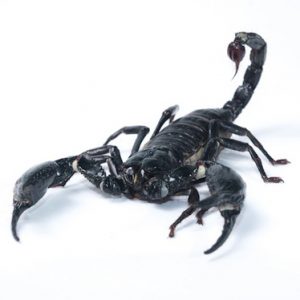
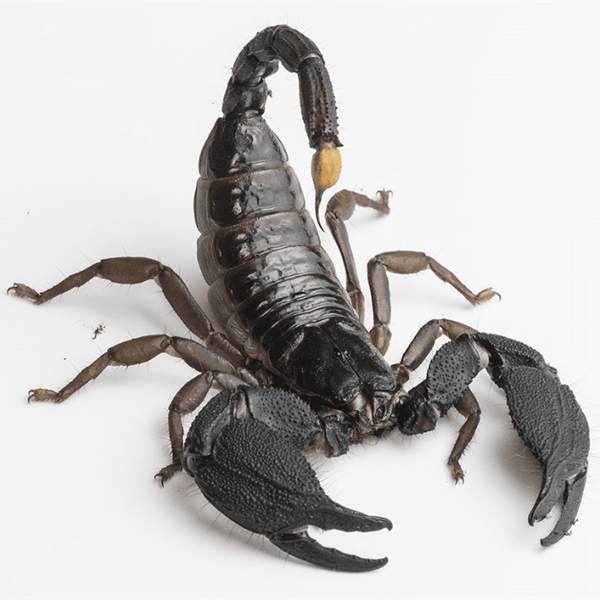
giant forest scorpion
“Buy Giant Forest Scorpion | Exotic Scorpions for Sale at Wild Exotics USA“
Welcome to Wild Exotics USA, your premium destination for acquiring the majestic Giant Forest Scorpion. These impressive arachnids, known for their size and striking appearance, are now available to enthusiasts looking to add a touch of the wild to their exotic pet collection.
The Giant Forest Scorpions offered at Wild Exotics USA are carefully selected to provide enthusiasts with a captivating and unique addition to their collection. With their robust size, formidable claws, and intricate patterns, these scorpions stand out as remarkable specimens that are sure to fascinate enthusiasts of all levels.
Creating a suitable habitat for your Giant Forest Scorpion is essential to their well-being and happiness. Provide a spacious terrarium with ample substrate for burrowing, hiding spots for security, and a shallow water dish for hydration. Mimic their natural forest environment to ensure they thrive in captivity.
Observing the behaviors of Giant Forest Scorpions is a rewarding experience that allows you to appreciate their unique adaptations and fascinating characteristics. Spend time observing their movements, feeding behaviors, and interactions within their habitat to deepen your connection with these impressive arachnids.
Explore our exclusive collection of Giant Forest Scorpions for sale online at Wild Exotics USA and elevate your exotic pet collection with these magnificent creatures from the depths of the forest. Immerse yourself in the world of exotic scorpions and marvel at the beauty and complexity of these captivating arachnids.
Caring for a Giant Forest Scorpion (Heterometrus species) as a pet requires attention to their specific needs to ensure their well-being and longevity in captivity. Here are essential care requirements to consider when keeping a Giant Forest Scorpion:
- Enclosure: Provide a spacious terrarium with enough space for your Giant Forest Scorpion to move around comfortably. A 10-gallon tank or larger is suitable, with secure lids to prevent escape.
- Substrate: Use a substrate that retains moisture well, such as coconut fiber or a mixture of eco earth and sand. Ensure the substrate is deep enough for burrowing, as Giant Forest Scorpions are known to burrow for shelter.
- Temperature and Humidity: Maintain a temperature range of 75-85°F (24-29°C) during the day and slightly cooler at night. Use a heat mat or ceramic heat emitter to create a warm spot in one area of the enclosure. Keep humidity levels around 70-80% by misting the enclosure regularly.
- Hiding spots: Provide multiple hiding spots like cork bark, half logs, or artificial caves for your Giant Forest Scorpion to seek shelter and feel secure.
- Water source: Place a shallow water dish filled with clean, fresh water in the enclosure. Ensure the water dish is stable and shallow to prevent drowning, as scorpions can be sensitive to drowning.
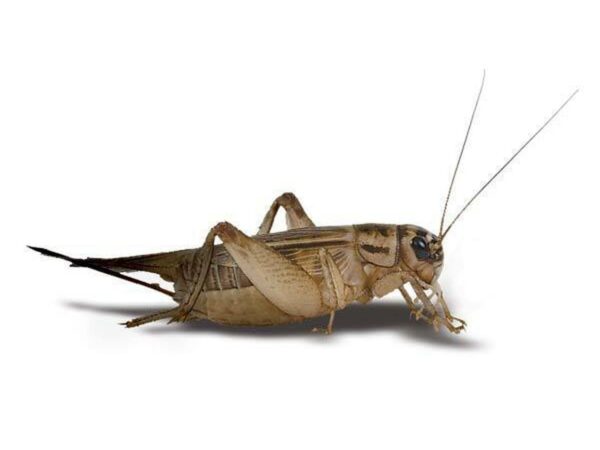
- Feeding: Giant Forest Scorpions are carnivorous and feed on insects like crickets, mealworms, and roaches. Offer appropriately sized prey items a few times a week, adjusting the frequency based on your scorpion’s appetite.
- Handling: Exercise caution when handling your Giant Forest Scorpion, as they can sting or pinch if they feel threatened. It’s best to observe them in their enclosure rather than attempting to handle them.
- Health monitoring: Regularly observe your scorpion for any changes in behavior, appetite, or appearance. Seek veterinary care if you notice any signs of illness or injury.
- Cleaning: Regularly spot clean the enclosure by removing uneaten prey items, molts, and waste. Perform a full substrate change every few months to maintain cleanliness.
By providing a suitable environment with the right temperature, humidity, hiding spots, and feeding schedule, you can ensure the well-being and happiness of your Giant Forest Scorpion as a captivating and intriguing pet.
Heterometrus mysorensis is a large rainforest scorpion in the southwestern part of the Indian Peninsula.
Its venom is not usually lethal to humans because it has arguably evolved to kill its prey by crushing it with its pincers and not by venom.
In captivity, we’ve found that they’re quite happy with some bark or cork wood to hide under.
Appropriately sized Dubia Roaches or Crickets are the ideal food source and should be offered every few days.
Juvenile: L2 – L3, Sub-adult: L4 – L5, Adult: 15 – 17 cm
| Adult Size: | 6 – 6.7” (15 – 17 cm) |
| Care Level: | Moderate |
| Temperature: | 77 – 93.2°F (25 – 34°C) |
| Humidity: | 60 – 70% |
| Feeding: | Carnivore Insects |
| Life Span: | 5 – 12 years |