Description
goliath bird eating tarantula for sale
“Buy Burgundy Goliath Bird Eater Tarantula | Exotic Tarantulas for Sale at Wild Exotics USA“
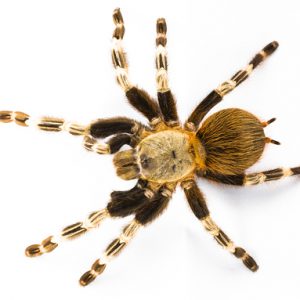
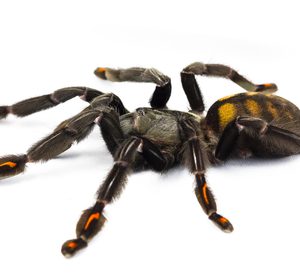
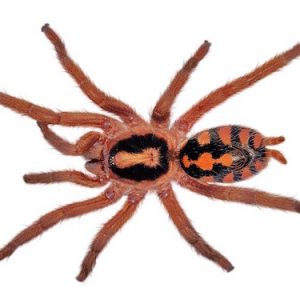
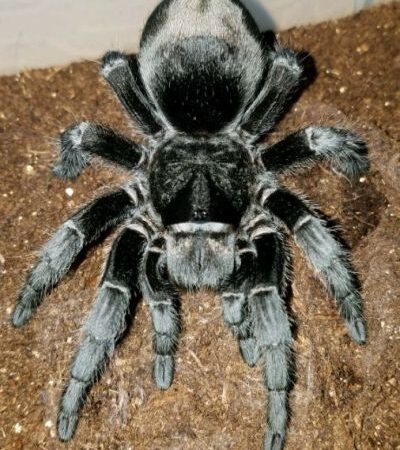
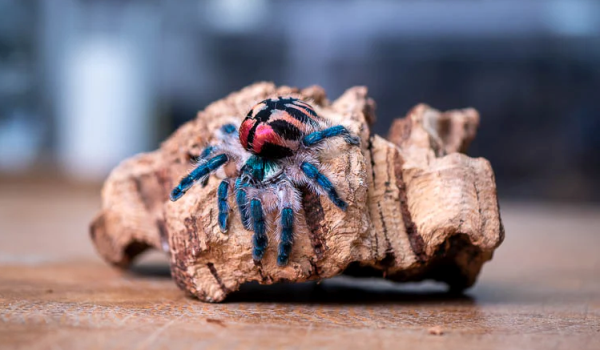
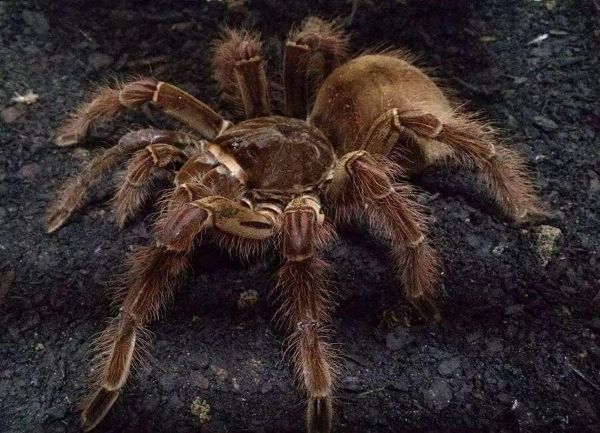
Welcome to Wild Exotics USA, your trusted destination for acquiring the majestic Burgundy Goliath Bird Eater Tarantula. Known for their impressive size and striking burgundy hues, these tarantulas are a coveted addition to any enthusiast’s collection of exotic spiders.
The Burgundy Goliath Bird Eater Tarantulas available at Wild Exotics USA are carefully selected to showcase their grandeur and unique characteristics. Each tarantula exudes a sense of magnificence and charm, captivating collectors with their size and beauty.
Creating a suitable habitat for your Burgundy Goliath Bird Eater Tarantula is essential for their well-being. Provide a spacious terrarium with appropriate substrate, hiding spots, and climbing structures to cater to their natural behaviors and ensure they feel secure in their environment.
Observing the fascinating behaviors of Burgundy Goliath Bird Eater Tarantulas is an awe-inspiring experience that allows you to witness their strength and grace up close. Spend time observing their movements, feeding habits, and burrowing skills to deepen your connection with these impressive arachnids.
Explore our exclusive collection of Burgundy Goliath Bird Eater Tarantulas for sale online at Wild Exotics USA and enrich your spider collection with these magnificent creatures. Immerse yourself in the world of exotic spiders and marvel at the grandeur and allure of these captivating tarantulas.
The Burgundy Goliath Bird Eater Tarantula, scientifically known as Theraphosa stirmi, is renowned for its impressive size and intriguing feeding habits that reflect its predatory nature as a formidable hunter. Here is some information on the feeding habits and diet of these captivating tarantulas:
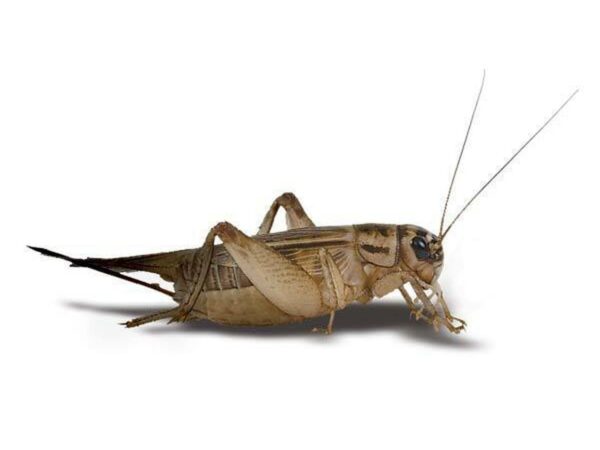
- Diet: Burgundy Goliath Bird Eater Tarantulas are carnivorous creatures that primarily feed on a diet of live prey, including insects like crickets, roaches, grasshoppers, and occasionally small vertebrates such as mice or small birds. In the wild, they use their size and strength to capture and consume their prey.
- Feeding Frequency: Adult Burgundy Goliath Bird Eater Tarantulas typically require feeding once or twice a week, while younger specimens or those in the molting process may have reduced appetites. Adjust the feeding schedule based on the tarantula’s size, age, and activity level.
- Feeding Method: When offering food to your Burgundy Goliath Bird Eater Tarantula, ensure to provide appropriately sized live prey items that are suitable for their size and appetite. Place the live insects near the tarantula’s burrow or web and allow them to display their natural hunting instincts.
- Feeding Response: Burgundy Goliath Bird Eater Tarantulas are known for their powerful feeding response and ability to subdue prey with their fangs and venom. They use their agility and speed to immobilize and consume their prey, showcasing their prowess as skilled predators.
- Nutritional Needs: Providing a varied diet of gut-loaded insects and occasional supplements can help ensure that your Burgundy Goliath Bird Eater Tarantula receives essential nutrients for their well-being and overall health. Maintaining a balanced diet is crucial to support their growth and vitality.
By understanding and accommodating the feeding habits and dietary needs of Burgundy Goliath Bird Eater Tarantulas, you can create a suitable environment that promotes their natural behaviors and ensures their feeding success. Enjoy observing these magnificent tarantulas as they exhibit their hunting skills and prowess in their carefully designed habitat.
Feeding: In captivity it feeds on any suitable sized invertebrates such as large grasshoppers, cockroaches and crickets.
Juvenile: 4 – 6 cm, Sub-adult: 7 – 13 cm, Adult: 18 – 22 cm
| Adult Size: | 7 – 9” (19 – 23 cm) |
| Temperature: | 72 – 86°F (22 – 30°C) |
| Humidity: | 75 – 80% |
| Feeding: | Insects |